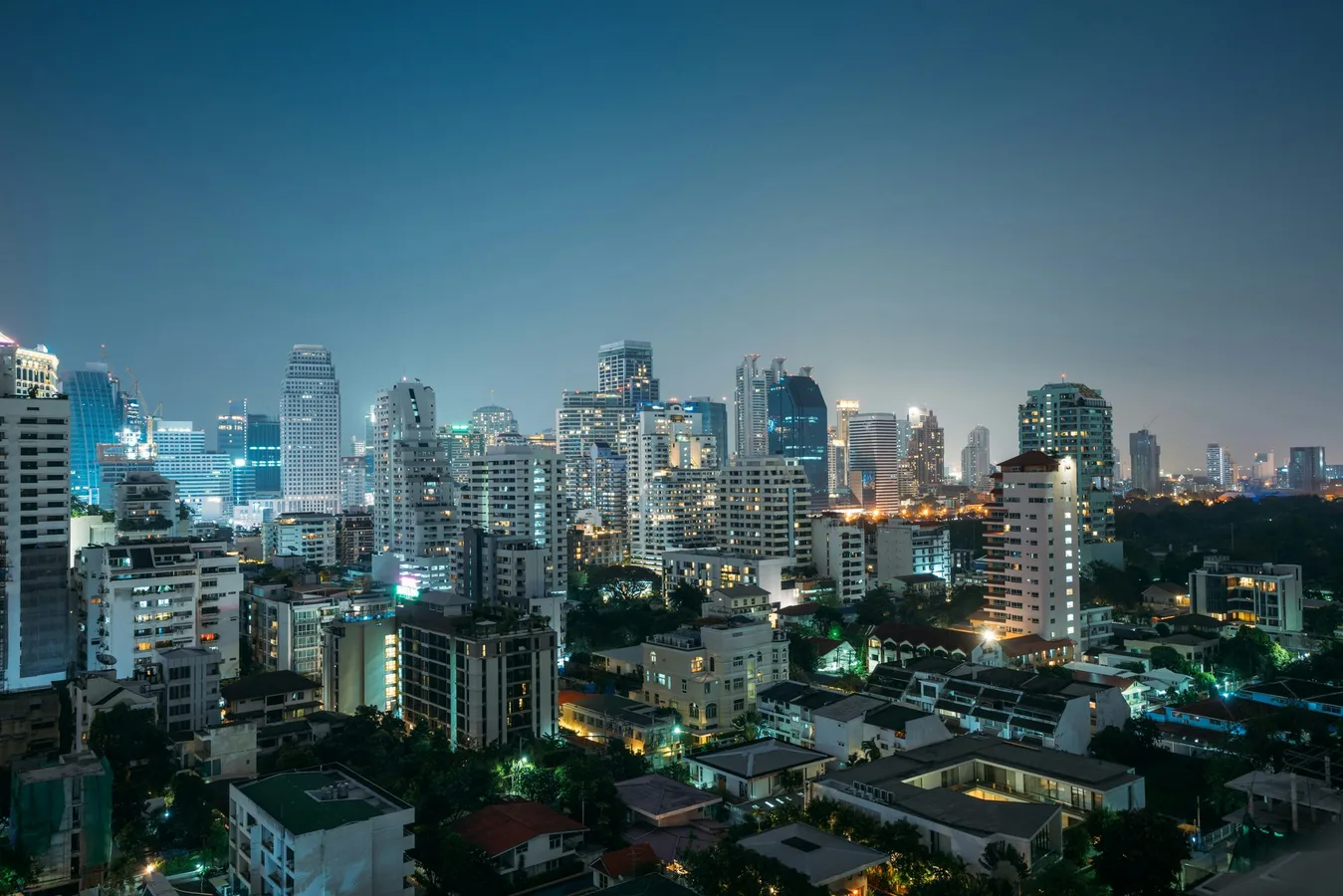
The short answer is yes — foreigners can buy and fully own a condominium in Thailand, freehold, in their own name. It's one of the few types of property where the law makes it straightforward for non-Thais.
I've helped expats do exactly this, and while it's genuinely simple once you know the rules, there are a handful of things you really want to get right from the start. Let me walk you through it.
What you can actually own
Here's the good news first: a condominium unit can be registered in your own name as a foreigner, and you own it freehold — meaning outright and permanently, just like a Thai owner. Your name goes on the title deed, and you can sell it, rent it out, or pass it on later.
The key difference is land. Foreigners generally cannot own land directly in Thailand. That's why houses, townhouses, and villas are trickier — those sit on land, so they're usually done as a long-term lease instead. Condos are the clean path to true ownership.
The 49% foreign ownership rule
This is the one rule everyone hears about, and it's important to understand properly.
In any condominium building, foreigners can collectively own up to 49% of the total saleable floor area. The remaining 51% must stay in Thai ownership.
What this means in practice:
- If a building's foreign quota is still open, you can buy a freehold unit there — easy.
- If the 49% is already full, you can't buy a freehold unit in that building. You'd either buy a unit from another foreigner (which frees up the quota), or look at leasehold.
When I show clients properties, checking the foreign quota is one of the first things I do — it saves a lot of heartache later.
The money has to come from abroad
This is the rule that surprises most first-time buyers, and it's an easy one to get wrong.
To register a freehold condo in your name, the funds you use must be transferred into Thailand from overseas, in a foreign currency. Your bank will issue a Foreign Exchange Transaction Form (often called a "FETF" or "credit advice") that proves the money came from abroad.
You'll need this document when you register ownership at the Land Department. So before you transfer a big sum, make sure you:
1. Transfer the money in a foreign currency (not Thai baht).
2. Mark the transfer purpose clearly (e.g. "for condo purchase").
3. Ask your bank for the FETF certificate.
A little planning here makes the final registration smooth.
Freehold vs. leasehold — what's the difference?
Freehold Leasehold What it means You own the unit outright You lease it for a fixed period Typical term Permanent 30 years (often renewable) Available for Condos (within the 49% quota) Condos and houses/land Best for Long-term ownership, investment Short-term or when quota is fullFor most foreign buyers who want to own a home in Bangkok, freehold is the goal — and it's very achievable with the right building.
Step by step: how to buy a condo in Thailand
Here's the flow, in plain terms:
- Find the right unit — and confirm the building still has foreign-quota space.
- Negotiate and sign the sales agreement — usually with a deposit to hold the unit.
- Transfer your funds from abroad — and get the FETF from your bank.
- Complete the transfer at the Land Department — where the title deed is registered in your name.
- Pay the taxes and fees — usually split between buyer and seller.
It sounds like a lot, but with a good agent it's typically wrapped up in a few weeks once you've found the right place.
Taxes and fees to budget for
Roughly, here's what to expect (and these are often split with the seller):
- Transfer fee — around 2% of the appraised value
- Stamp duty — about 0.5%
- Withholding tax — depends on the seller's situation
I always tell clients to budget roughly 5–7% of the purchase price for fees and taxes, just to be safe. Your agent and lawyer will confirm the exact numbers for your specific case.
A few honest tips from me
After years of helping expats buy in Bangkok, here's what I'd tell a friend:
- Location beats everything. A condo near the BTS or MRT holds its value and rents out more easily.
- Check the building's reputation. Management quality, maintenance fees, and the mix of owners matter.
- Verify the foreign quota early. It's the single most common snag, and it's completely avoidable.
- Get a good lawyer. For peace of mind on title and contract, it's worth it.
Ready to start looking?
If you're thinking about buying a condo in Bangkok, I'd love to help. I can show you buildings with open foreign quota, walk you through the fund-transfer process, and guide you through to the keys in your hand.
Feel free to reach out — I'm always happy to answer questions, no pressure at all.
Explore our current listings or get in touch anytime.